Land Clearing in Salt Lake City, UT
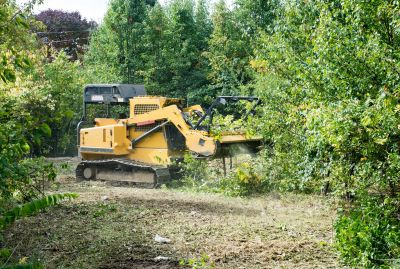
Land clearing services involve removing trees, brush, and other vegetation to prepare a property for construction, landscaping, or other development projects. This process can include the removal of small shrubs, large trees, stumps, and roots, as well as grading the land to create a smooth and usable surface. Homeowners often request land clearing when they are planning to build a new structure, install a driveway, create a lawn, or expand outdoor living spaces, ensuring the property is safe and suitable for future use.
Before requesting land clearing services, property owners typically want to understand the scope of work, including what types of vegetation and debris will be removed and how the land will be prepared afterward. It’s also important to consider any local regulations or permits required for clearing, as well as the potential impact on existing landscape features. Clear communication about project goals can help ensure the land clearing process meets expectations and supports the property's intended use.
Many property owners in Salt Lake City, UT look into Land Clearing for repairs, replacements, upgrades, and appearance-related improvements.
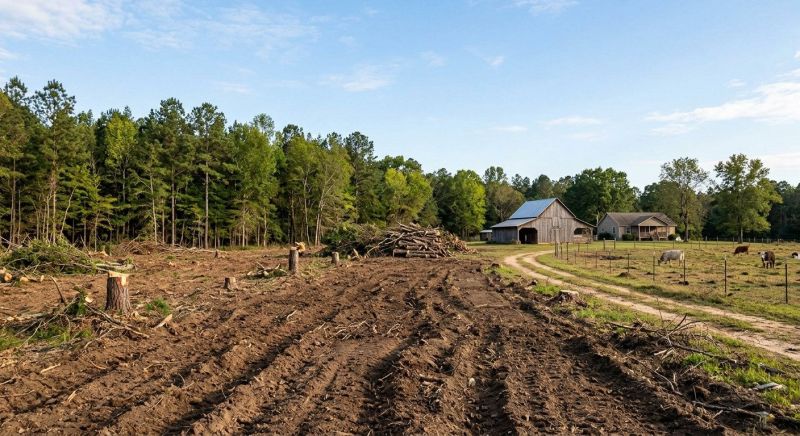
Site Preparation
Clearing land to create a safe and level foundation for construction or landscaping projects.
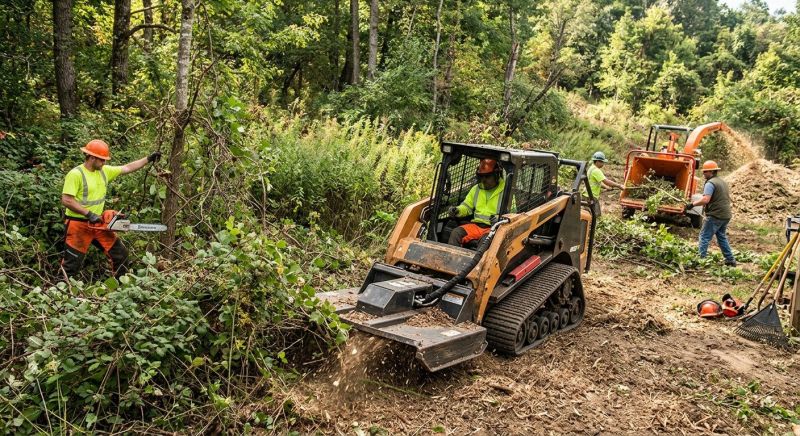
Vegetation Removal
Removing trees, brush, and debris to improve property accessibility and appearance.
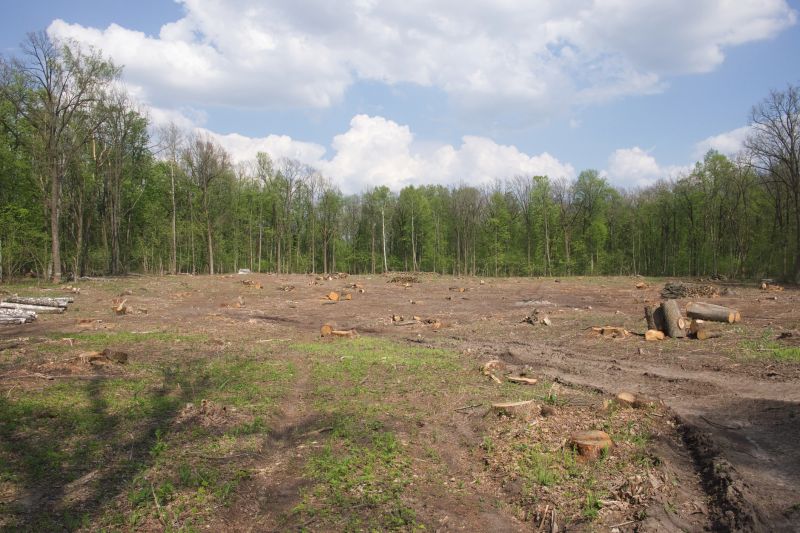
Land Development Support
Preparing large areas for new developments, including grading and debris clearing in salt lake city, ut.
Land Clearing in Salt Lake City, UT
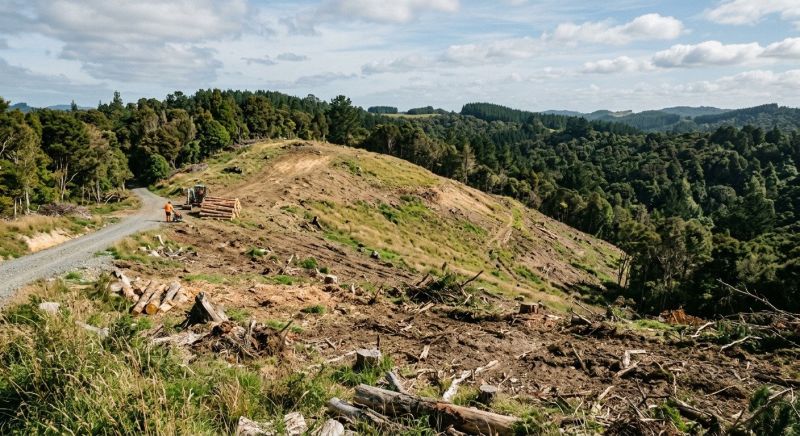
Land clearing services involve removing trees, brush, and other vegetation to prepare a property for construction, landscaping, or other development projects. This process can include the removal of small shrubs, large trees, stumps, and roots, as well as grading the land to create a smooth and usable surface. Homeowners often request land clearing when they are planning to build a new structure, install a driveway, create a lawn, or expand outdoor living spaces, ensuring the property is safe and suitable for future use.
Before requesting land clearing services, property owners typically want to understand the scope of work, including what types of vegetation and debris will be removed and how the land will be prepared afterward. It’s also important to consider any local regulations or permits required for clearing, as well as the potential impact on existing landscape features. Clear communication about project goals can help ensure the land clearing process meets expectations and supports the property's intended use.
Many property owners in Salt Lake City, UT look into Land Clearing for repairs, replacements, upgrades, and appearance-related improvements.
Common Land Clearing Jobs
Land clearing services prepare properties for construction, landscaping, or development projects.
Tree removal and stump grinding help improve safety and visibility on the property.
Brush and shrub removal create open spaces for new lawns, gardens, or structures.
Site clearing includes removing debris, rocks, and unwanted vegetation to create a clean work area.
Selective clearing targets specific trees or plants to preserve certain landscape features.
Grading and leveling services ensure a stable foundation for future construction or landscaping.
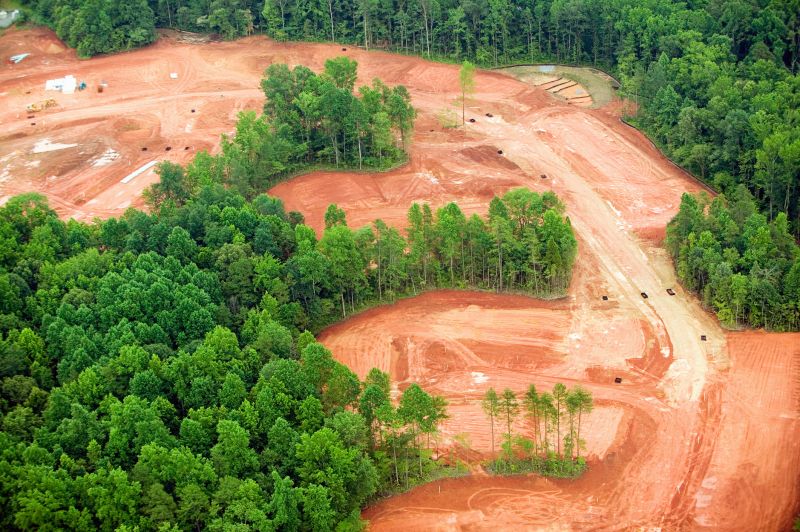

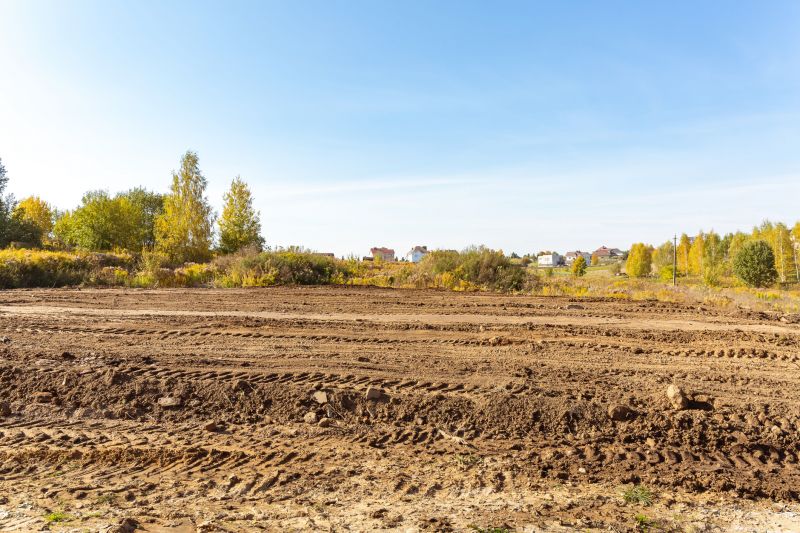
Land Clearing Questions
What types of land clearing projects are common? Projects often include removing trees, brush, and debris to prepare land for development, farming, or landscaping.
Is land clearing suitable for residential properties? Yes, it is commonly used to clear space for new construction, gardens, or outdoor living areas.
What equipment is typically used for land clearing? Heavy machinery like bulldozers, excavators, and mulchers are often employed to efficiently clear the land.
Are permits needed for land clearing? Permitting requirements vary by location and project scope; it’s advisable to check local regulations before starting.
Request Land Clearing in Salt Lake City, UT
Use the quote form on this page to share the basics of your project and request more information for the type of work you need.